
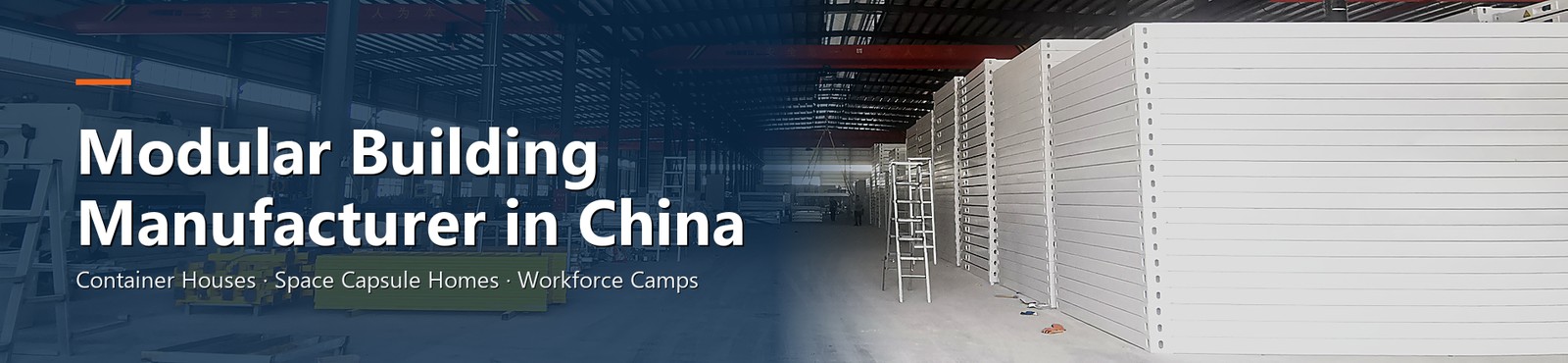
Σύντομη απάντηση: σπίτια εμπορευματοκιβωτίων επίπεδης συσκευασίας αποστέλλουν περισσότερες μονάδες ανά κοντέινερ — 14 σετ σε ένα 40HQ — ενώ τα πτυσσόμενα κοντέινερ εγκαθίστανται πολύ πιο γρήγορα, σε περίπου 15 λεπτά ανά μονάδα έναντι περίπου 3 ωρών. Εάν ο παράγοντας κόστους σας είναι τα φορτία, η επίπεδη συσκευασία κερδίζει. Εάν ο περιορισμός σας είναι η εργασία στο εργοτάξιο ή η ταχύτητα, η αναδίπλωση κερδίζει. Τα περισσότερα έργα επιλέγουν με βάση ποια από αυτές τις δύο πιέσεις είναι βαρύτερη.
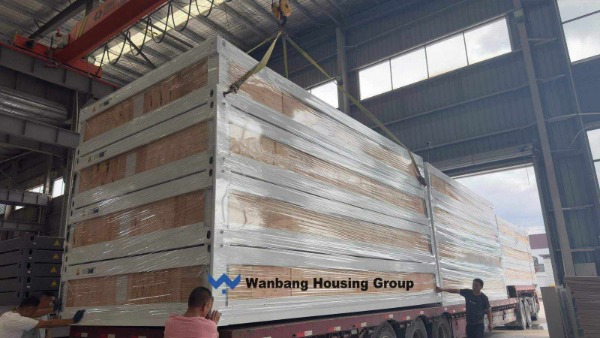
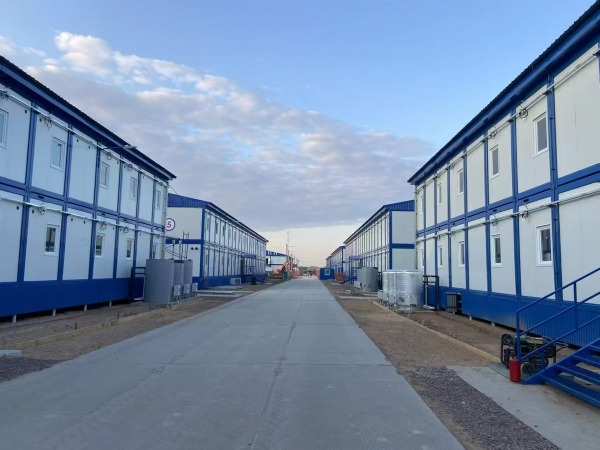
Και οι δύο τύποι είναι εργοστασιακά κατασκευασμένες αρθρωτές μονάδες με χαλύβδινο σκελετό που αποστέλλονται από την Κίνα για κατασκηνώσεις εργατικού δυναμικού, γραφεία εργοταξίου και απομακρυσμένη διαμονή. Η διαφορά έγκειται στον τρόπο μεταφοράς τους. Μια μονάδα επίπεδης συσκευασίας φεύγει από το εργοστάσιο ως... χαλαρά εξαρτήματα — πάνελ, κολώνες, δοκοί και σανίδες δαπέδου συσκευασμένα επίπεδα και στοιβαγμένα — και συναρμολογούνται επί τόπου. Μια πτυσσόμενη μονάδα φεύγει από το εργοστάσιο ως πλήρες κουτί που καταρρέει σε ένα κλάσμα του ύψους του και ξεδιπλώνεται επί τόπου.
| Είδος | Επίπεδη συσκευασία γρήγορης συναρμολόγησης | Πτυσσόμενο σπίτι κοντέινερ |
|---|---|---|
| Διαστάσεις εγκατάστασης | 6055 × 2990 × 2896 χιλ. | 5900 × 2500 × 2470 χιλ. |
| Ωφέλιμη επιφάνεια δαπέδου ανά μονάδα | ≈ 18 τ.μ. | ≈ 14,8 τ.μ. |
| Φόρμα αποστολής | Χύμα εξαρτήματα, επίπεδα συσκευασμένα | Πλήρης μονάδα διπλωμένη σε διαστάσεις 5900 × 2500 × 400 mm |
| Όγκος όταν είναι συσκευασμένος | Επίπεδα στοιβαγμένα πάνελ | Συμπιεσμένο σε περίπου 1/6 της έντασης ήχου ρύθμισης |
| Φόρτωση ανά 40HQ | 14 σετ | 10 σετ (Πάνελ τοίχου 50 mm) / 8 σετ (Πάνελ τοίχου 75 mm) |
| Εγκατάσταση | Περίπου 4 εργαζόμενοι, ~3 ώρες ανά μονάδα | Περίπου 4 βήματα, ~15 λεπτά ανά μονάδα |
| Εξοπλισμός εργοταξίου | Δεν απαιτείται συγκόλληση, δεν απαιτείται γερανός | Ακολουθία ξεδιπλώματος, χωρίς συγκόλληση |
Αυτό είναι το εξάρτημα που οι αγοραστές βρίσκουν αντίθετο με τη διαίσθηση. Μια πτυσσόμενη μονάδα συμπιέζεται περίπου στο ένα έκτο του όγκου της — άρα θα έπρεπε να αποστέλλεται καλύτερα, σωστά; Στην πράξη, αυτό που αποστέλλετε εξακολουθεί να είναι ένα ολόκληρο το κουτί: δάπεδο, οροφή, πάνελ τοίχου και πλαίσιο διπλωμένα μαζί, πάχους 400 mm όταν συμπτυχθούν. Μια επίπεδη μονάδα, αντίθετα, χωρίζεται στα επιμέρους μέρη της, τα οποία στοιβάζονται σχεδόν χωρίς σπατάλη αέρα ανάμεσά τους.
Το αποτέλεσμα: 14 σετ επίπεδης συσκευασίας ανά 40HQ έναντι 10 σετ πτυσσόμενων τεμαχίων (8 σετ αν καθορίσετε τα πάνελ τοίχου πάχους 75 mm). Σε ένα έργο που χρειάζεται 40 ή 100 μονάδες, αυτή η διαφορά είναι αρκετά εμπορευματοκιβώτια φορτίου και τα εμπορεύματα είναι συχνά το μεγαλύτερο μεταβλητό κόστος σε μια παραγγελία εμπορευματοκιβωτίων.
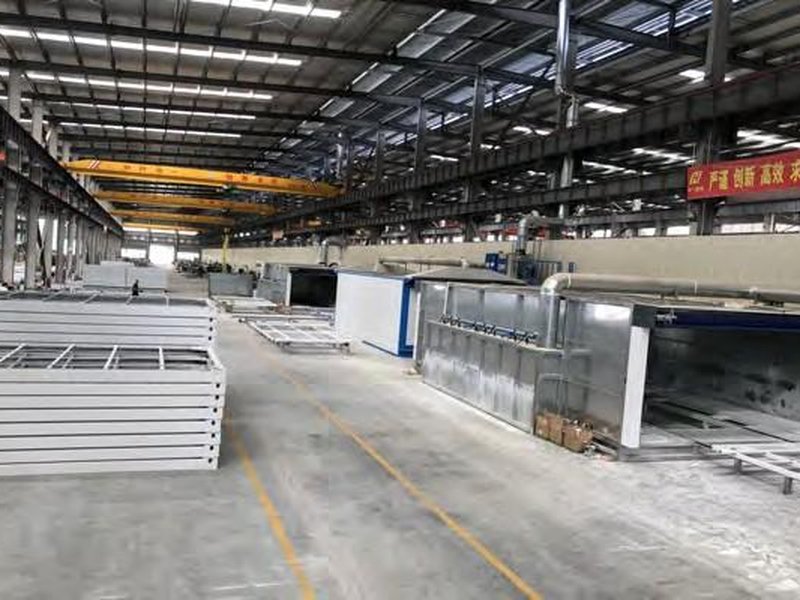
Η συναρμολόγηση σε επίπεδη συσκευασία είναι απλή — βιδωτές συνδέσεις μεταξύ κολόνων και δοκών άνω/κάτω, με τα πάνελ τοίχου και δαπέδου στερεωμένα σε σειρά — αλλά εξακολουθεί να είναι μια εργασία συναρμολόγησης: περίπου τέσσερις εργαζόμενοι και τρεις ώρες ανά μονάδα. Οι πτυσσόμενες μονάδες το αντιστρέφουν αυτό. Η μονάδα φτάνει ως ολοκληρωμένο κουτί και η εργασία στο εργοτάξιο είναι μια σύντομη ακολουθία ξεδιπλώματος που μετριέται σε λεπτά.
Αυτό έχει σημασία σε τρεις περιπτώσεις:
Ανά μονάδα, το αποτύπωμα της επίπεδης μονάδας είναι μεγαλύτερο: περίπου 18 τ.μ. έναντι περίπου 14,8 τ.μ. για την πτυσσόμενη μονάδα. Εάν ενσωματώνετε κοιτώνες, μια κουζίνα ή ένα γραφείο σε έναν σταθερό αριθμό μονάδων, αυτή η διαφορά αλλάζει τον αριθμό των μονάδων που πρέπει να αγοράσετε εξαρχής — κάτι που αντισταθμίζει εν μέρει το πλεονέκτημα των μεταφορών και αξίζει να κάνετε τους υπολογισμούς πριν δεσμευτείτε.
Πρακτική συμβουλή: Στείλτε μας τον αριθμό των εργαζομένων σας, την τοποθεσία του εργοταξίου και τη διάρκεια του έργου και θα εξετάσουμε και τις δύο επιλογές μέσω του ίδιου υπολογισμού φόρτωσης εμπορευματοκιβωτίων. Η απάντηση συνήθως γίνεται προφανής όταν τα μεταφορικά έξοδα και η εργασία στο εργοτάξιο κοστολογηθούν μεταξύ τους για τη συγκεκριμένη χώρα σας.
Επίπεδη συσκευασία, σε μονάδες ανά δοχείο: 14 σετ ανά 40HQ έναντι 10 σετ (πάνελ 50 mm) ή 8 σετ (πάνελ 75 mm) για πτυσσόμενες μονάδες. Σε μεγάλες παραγγελίες αυτό συνήθως σημαίνει λιγότερα δοχεία.
Πτυσσόμενες μονάδες — περίπου 15 λεπτά ανά μονάδα μέσω μιας ακολουθίας τεσσάρων βημάτων, σε σύγκριση με περίπου τρεις ώρες για ένα συνεργείο τεσσάρων εργαζομένων που συναρμολογεί μια επίπεδη μονάδα.
Ναι. Οι μικτές αποστολές είναι συχνές όταν ένα έργο χρειάζεται μονάδες ταχείας ανάπτυξης για την πρώτη φάση και μονάδες επίπεδης συσκευασίας για το μόνιμο στρατόπεδο. Τα σχέδια φόρτωσης υπολογίζονται ανά παραγγελία, επειδή οι δύο τύποι δεν στοιβάζονται με τον ίδιο τρόπο.
Συνήθως επίπεδη συσκευασία. Παρέχει μεγαλύτερη ωφέλιμη επιφάνεια ανά μονάδα, συναρμολογείται σε μια άκαμπτη βιδωτή δομή και έχει σχεδιαστεί για διάρκεια ζωής που μετράται σε χρόνια και όχι για μια προσωρινή ενδιάμεση στάση. Οι πτυσσόμενες μονάδες είναι πιο κατάλληλες για μικρότερες ή κινητές αναπτύξεις.
Η συναρμολόγηση σε επίπεδη συσκευασία δεν απαιτεί συγκόλληση και γερανό. Οι πτυσσόμενες μονάδες τοποθετούνται και ξεδιπλώνονται. Οι απαιτήσεις του χώρου εξακολουθούν να εξαρτώνται από τις συνθήκες του εδάφους και το σχεδιασμό των θεμελίων σας, τα οποία επιβεβαιώνουμε ανά έργο.
Αν συγκρίνετε τις δύο επιλογές για ένα επερχόμενο έργο, η ομάδα μας μπορεί να σας προσφέρει και τις δύο επιλογές δίπλα-δίπλα, συμπεριλαμβανομένου ενός σχεδίου φόρτωσης εμπορευματοκιβωτίων για το λιμάνι προορισμού σας.
Ζητήστε προσφορά για επίπεδη συσκευασία έναντι πτυσσόμενης συσκευασίας και σχέδιο φόρτωσης
Σχετική ανάγνωση: Τι είναι ένα πτυσσόμενο σπίτι κοντέινερ; Επεξήγηση διπλωμένου μεγέθους, φόρτωσης 40HQ και εγκατάστασης σε 15 λεπτά


 IPv6 ΥΠΟΣΤΗΡΙΖΕΤΑΙ ΔΙΚΤΥΟ
Hi! Click one of our members below to chat on
 Ελληνικά
 English
 Français
 Deutsch
 Русский
 Italiano
 Español
 Português
 Türk
Türk Indonesia
 عربي
عربي


